EPA Method 200.8 is frequently associated with inductively coupled plasma mass spectrometry (ICP-MS), but the instrument is only one part of a defensible trace-element result. Before a prepared sample reaches the instrument, the laboratory must determine whether direct analysis is appropriate, whether the requested result calls for total recoverable digestion, and whether its containers, heating equipment, and quality controls can support the selected preparation. These choices affect what fraction of the sample is represented in the final measurement.
This guide explains the sample preparation for ICP analysis described in EPA 200.8, with particular attention to aqueous samples, digestion apparatus, contamination control, and the questions to ask when evaluating a hot plate or block digester. It is a practical overview, not a substitute for the complete method or a laboratory's approved standard operating procedure.
What EPA Method 200.8 Covers
EPA Method 200.8, Revision 5.4, addresses the determination of trace elements in waters and wastes using ICP-MS. The analytical technique can measure elements in a prepared solution, but the method also describes how the laboratory should handle samples that contain material not directly represented by the liquid phase. Sample preparation therefore needs to align with the requested reporting basis rather than simply produce a clear-looking solution.
For laboratory managers, the first operational question is: what result has the client or governing program requested? A directly analyzed, properly preserved sample and a sample subjected to total recoverable digestion do not necessarily represent the same preparation history. The analytical report must reflect the specified preparation route. Technicians should identify this requirement before allocating vessels, acids, and heating space.
EPA 200.8 also places significant emphasis on minimizing contamination and sample loss during trace-element work. A convenient heating arrangement is not enough if handling steps introduce metals or leave residues from prior samples. A reliable workflow starts with the correct preparation decision and continues through cleaned labware, suitable apparatus, and batch controls.
Direct Analysis vs Total Recoverable Digestion
The method allows direct analysis of properly preserved samples having turbidity below 1 NTU without a digestion step. That conditional allowance is useful for qualifying aqueous samples: when the sample and reporting requirement satisfy the method's criteria, an additional digestion may be unnecessary. It is not a blanket permission to skip preparation for every water sample.
For determination of total recoverable metals in aqueous or solid samples, the method calls for digestion or extraction. This step is relevant when the analytical target includes material that would not be captured by treating the sample as a readily measurable solution alone. Samples containing suspended or particulate material require particular attention; the method directs such material toward solid-type sample handling rather than assuming it can follow the direct-analysis route.
Silver warrants a separate check. EPA 200.8 notes that low silver recoveries can occur without total recoverable digestion and recommends digesting samples before determining silver. That guidance makes the sample's elemental target, not only its appearance, part of the preparation decision.
| Sample or objective | Preparation decision | What to verify |
|---|---|---|
| Properly preserved aqueous sample below 1 NTU | Direct analysis may be permitted | Reporting basis and all method conditions |
| Aqueous sample requiring total recoverable results | Follow the method's digestion/extraction route | Vessel, acid, heating, and final-volume procedure |
| Sample with suspended or particulate material | Evaluate the solid-type preparation provisions | Appropriate classification and handling |
| Silver determination | Digestion is recommended | Recovery expectations and the full method procedure |
In practice, the preparation decision should be made when the batch is planned. It affects the number and type of digestion vessels, how much hood and heating space is needed, and which laboratory reagent blanks must accompany the samples.
The Digestion Workflow Step by Step
EPA 200.8 describes an aqueous total recoverable extraction using nitric acid, hydrochloric acid, controlled heating, and a subsequent return to a defined volume. The following sequence is an orientation to the principal operations; consult the method itself for sample aliquots, all volumetric details, and any matrix-specific instructions.
-
Confirm the preparation route. Check the requested analytes, sample type, preservation status, and reporting basis. Separate samples eligible for direct analysis from those that require the total recoverable procedure.
-
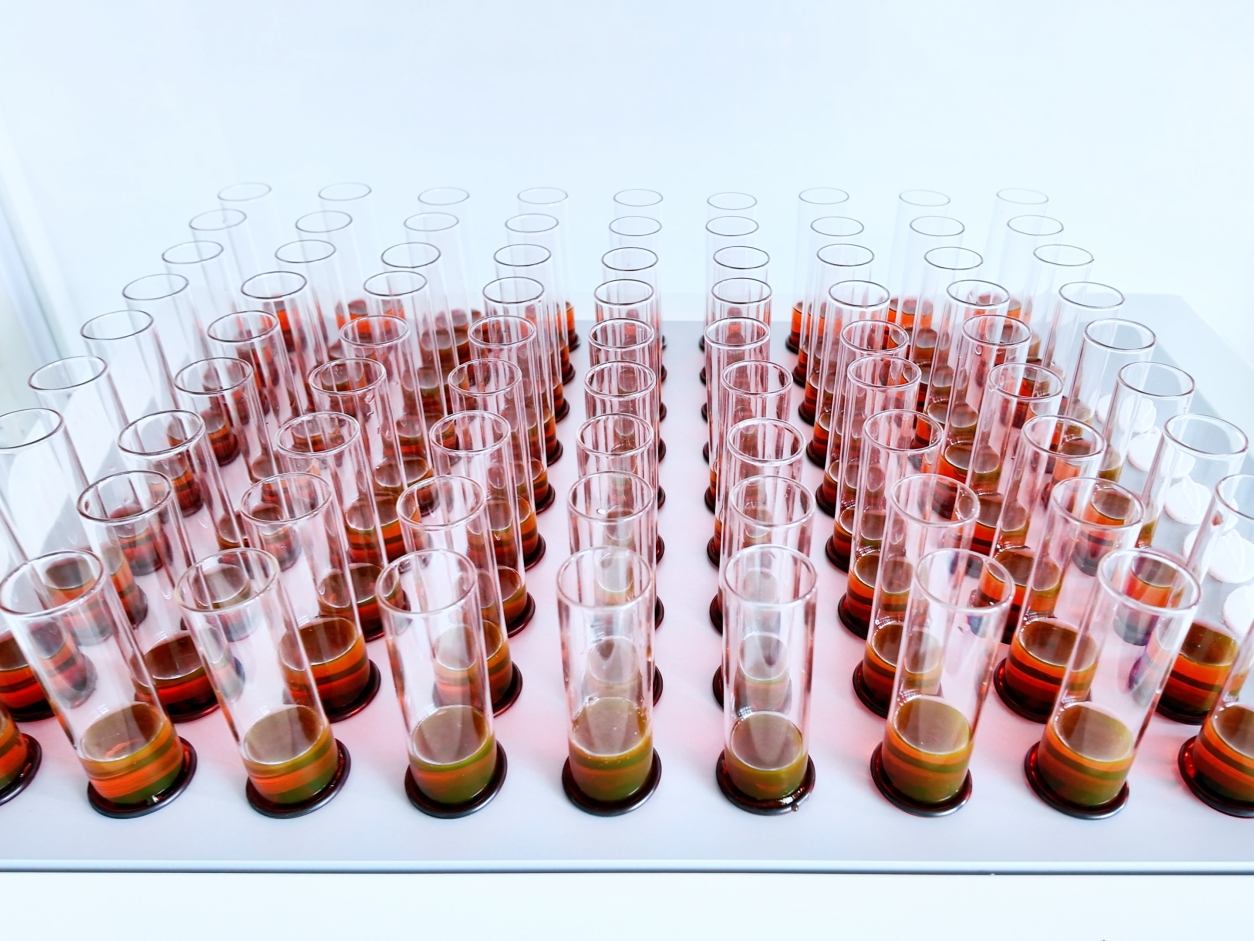
Prepare clean vessels and a laboratory reagent blank. Use labware cleaned for trace-element work. The reagent blank should pass through the entire sequence, including digestion, so contamination introduced during preparation is observable.
-
Add the prescribed acids. For the aqueous total recoverable extraction described in the method, add 4 mL of (1+1) nitric acid and 10 mL of (1+4) hydrochloric acid to the sample in the covered-beaker procedure. These are method-specific reagent dilutions; follow the original method for their preparation and the applicable sample quantity.
-
Heat gently under a cover. Reflux the preparation for 30 minutes, aiming for very slight boiling rather than vigorous boiling. The method notes that roughly 3–4 mL of evaporation is expected during this extraction. Excessive boiling is not a substitute for controlled heating.
-
Allow the preparation to cool. Cooling is part of the transition from heated extraction to subsequent handling. Keep vessels protected from contamination and use the laboratory's approved acid-handling precautions.
-
Complete the specified dilution to volume. Transfer or otherwise handle the cooled digest as the method directs, then bring it to the prescribed final volume. Do not substitute an estimated dilution for the method's volume requirements.
-
Track the batch through analysis. Associate prepared samples with their reagent blank and the applicable quality-control records before proceeding to ICP-MS measurement.
The main control challenge is gentle, repeatable extraction. A surface that is too hot can make the liquid boil aggressively; a poorly matched vessel or uneven heating arrangement can make reproducing the method more difficult. Record the heating configuration and use the method's specified set-up rather than relying on a nominal control-panel temperature alone.
Heating Equipment the Method Specifies
EPA 200.8 Section 6.3 specifies a temperature-adjustable hot plate capable of maintaining 95 °C. Section 6.4 also permits an optional temperature-adjustable block digester capable of maintaining 95 °C with 250 mL constricted digestion tubes, substituting for the hot plate and conical beakers during the extraction step. The method's hot-plate adjustment note describes approximately 85 °C at an uncovered beaker position as a way to obtain about 95 °C with the beaker covered. This distinction matters: the method is describing a practical heating arrangement, not merely a number entered into a controller.
When comparing equipment, first confirm the apparatus configuration prescribed by the laboratory procedure. A hot plate works with the beaker-and-cover arrangement described in the method; a block digester requires the appropriate 250 mL constricted tubes and compatible openings. An instrument's temperature-control precision does not, by itself, prove that it reaches or maintains the method temperature with the intended vessels.
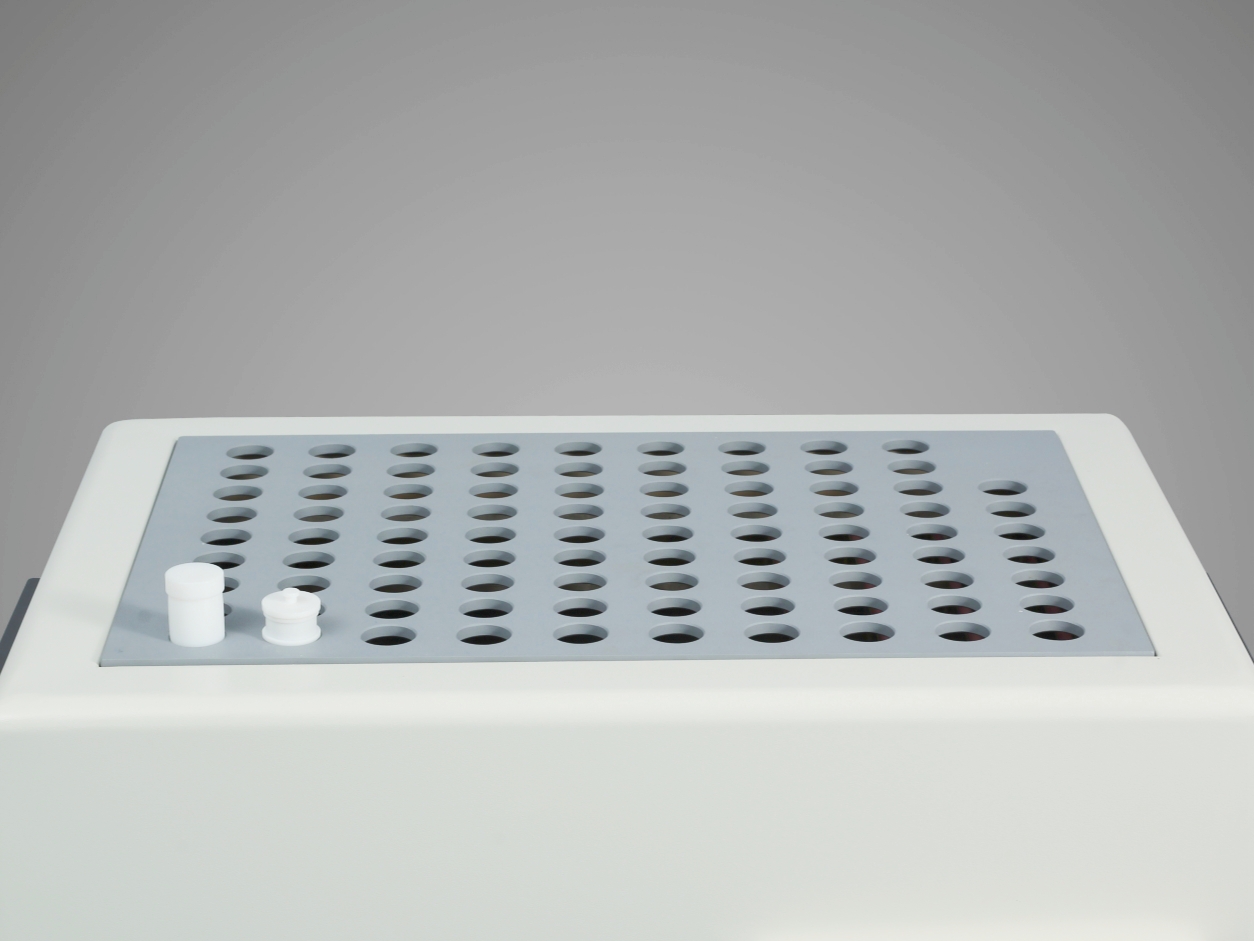
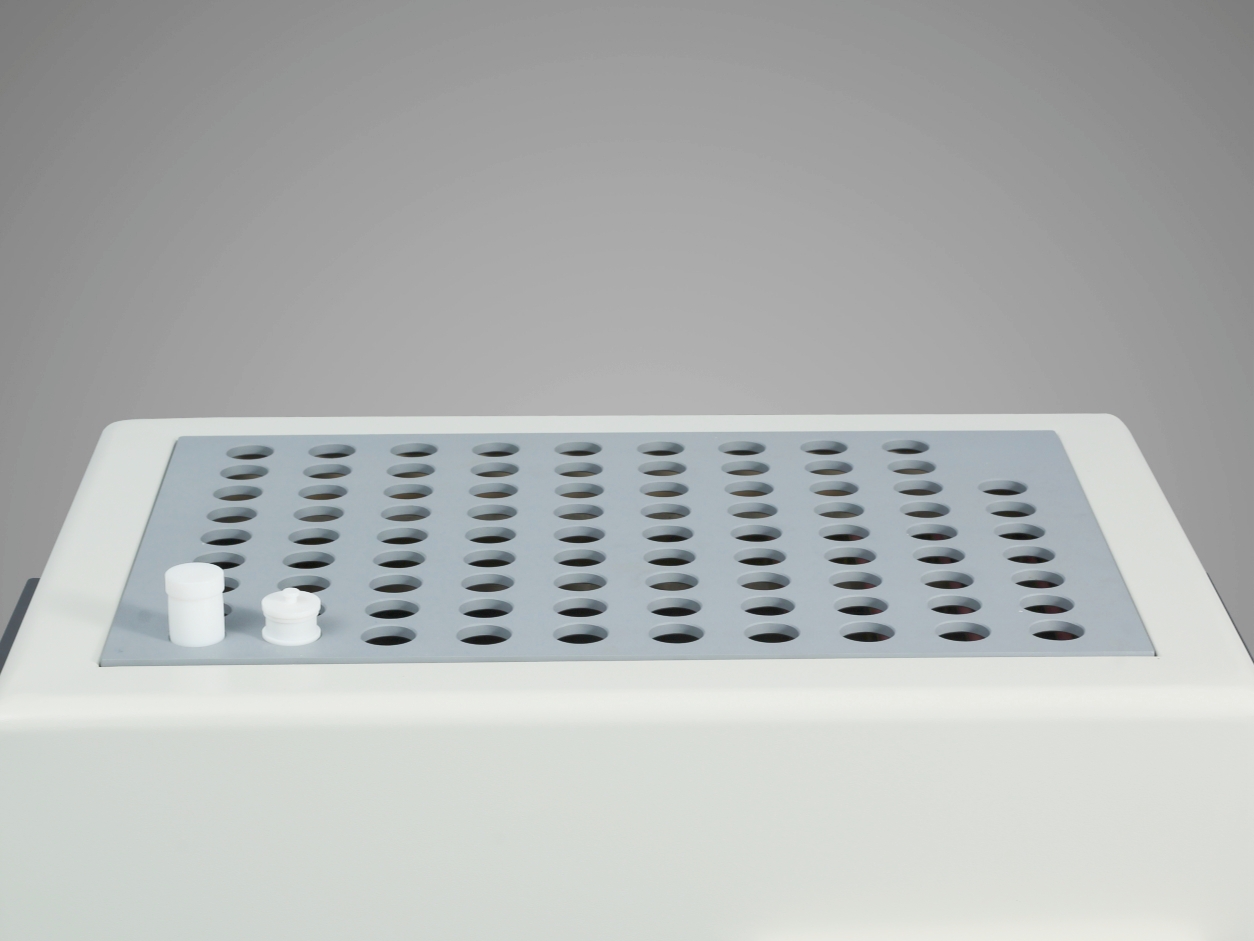
Tuozhiming offers digestion block systems with five-sided surrounding heating,which thoroughly solves the condensate backflow problem occurring in traditional digesters with bottom‑only heating, corrosion-resistant construction, and customizable vessel openings. Its DC Series block digester uses PID touchscreen control, specifies ±0.5 °C temperature-control accuracy, and has an upper/lower split design intended for digestion and hot-plate use. The published DC sizes include DC46-3078 (400 × 600 mm, 5.1 kW) and DC34-3033 (300 × 400 mm, 2.7 kW).
For a hot-plate layout, the digital intelligent hot plate has touchscreen PID regulation, displays the actual heating-surface temperature, and provides main and auxiliary heating zones. Its published surface-temperature difference between any two points does not exceed 2 °C. These are useful specifications to discuss with a supplier, but the cited product pages do not state a rated operating-temperature range. Before selecting any of these models for EPA 200.8, confirm the required 95 °C capability, the method's vessel configuration, and the performance of the complete loaded set-up with the supplier. No model should be assumed method-compliant from a control-accuracy claim alone.
For solid-sample work, the method separately lists a gravity-convection oven controlled at 105 °C ± 5 °C, a ceramic or nonmetallic mortar and pestle, and a polypropylene 5-mesh (4 mm) sieve. These are preparation tools for the relevant solid-handling pathway, not replacements for the heated aqueous digestion apparatus.
Labware, Contamination Control, and QC
At trace-element concentrations, the contamination-control plan deserves the same attention as the heating equipment. EPA 200.8 calls for a clean work area designated for trace-element sample handling. Reusable labware preparation includes soaking for at least four hours in 20% nitric acid; the method explicitly states that chromic acid must not be used. Follow the complete cleaning and rinsing procedure in the method and maintain a clean storage arrangement for prepared vessels.
A laboratory reagent blank is not simply clean water introduced at the instrument. It must undergo the full sample-preparation scheme, including any digestion, so that acids, vessels, and handling can be evaluated together. The North Carolina DEQ certification checklist further identifies a frequency of at least one laboratory reagent blank per batch of 20 or fewer samples. Check the applicable laboratory certification rules and approved SOP for the controls required in your own program.
-
Before preparation: identify sample classification, analytes, vessel cleanliness, blank assignments, and available heating positions.
-
During extraction: confirm the specified acid mixture, controlled reflux behavior, appropriate cover or digestion tube, and complete sample traceability.
-
After extraction: protect the cooled digest from contamination, complete the prescribed volume adjustment, and link the sample to its preparation and blank records.
-
During equipment evaluation: ask for evidence of the actual temperature range, vessel dimensions, corrosion-resistance features, and how the loaded configuration can be checked against the laboratory SOP.
For quality management, the key distinction is between an equipment feature and a method outcome. A precise controller can support repeatability, but the laboratory still needs an appropriate sample route, a suitably configured heating system, and quality-control evidence generated through the actual preparation.
FAQ
Does every EPA 200.8 water sample require digestion?
No. Properly preserved samples with turbidity below 1 NTU may qualify for direct analysis under the method's conditions. Total recoverable determinations follow the applicable digestion or extraction procedure.
What temperature must the digestion heating equipment maintain?
Sections 6.3 and 6.4 describe a hot plate or optional block digester capable of maintaining 95 °C. Check the temperature requirement against the complete vessel and heating arrangement.
Can a block digester replace the hot plate?
Yes, as an optional apparatus under the method when it meets the stated 95 °C requirement and uses the specified 250 mL constricted digestion tubes. Verify compatibility instead of assuming any block digester qualifies.
Why are nitric acid and hydrochloric acid both used?
The specified aqueous total recoverable procedure uses both acids. The laboratory should follow the method's mixtures rather than substitute a preferred single-acid recipe; the DEQ checklist also discusses hydrochloric acid in relation to antimony and silver stability.
Why must the reagent blank be digested?
Carrying the reagent blank through preparation helps detect contamination associated with acids, labware, heating, and handling that an instrument-only blank might miss.
What should a laboratory ask before buying a digestion system?
Ask the supplier to confirm the rated temperature range, performance around 95 °C, compatibility with the method's vessels and 250 mL tubes where applicable, materials exposed to acids, and the procedure for checking the loaded set-up.
To compare heating configurations for your laboratory's EPA 200.8 workflow, share your vessel dimensions and preparation requirements with Tuozhiming and request a quote. The supplier can then confirm equipment specifications and compatibility before you select a system.