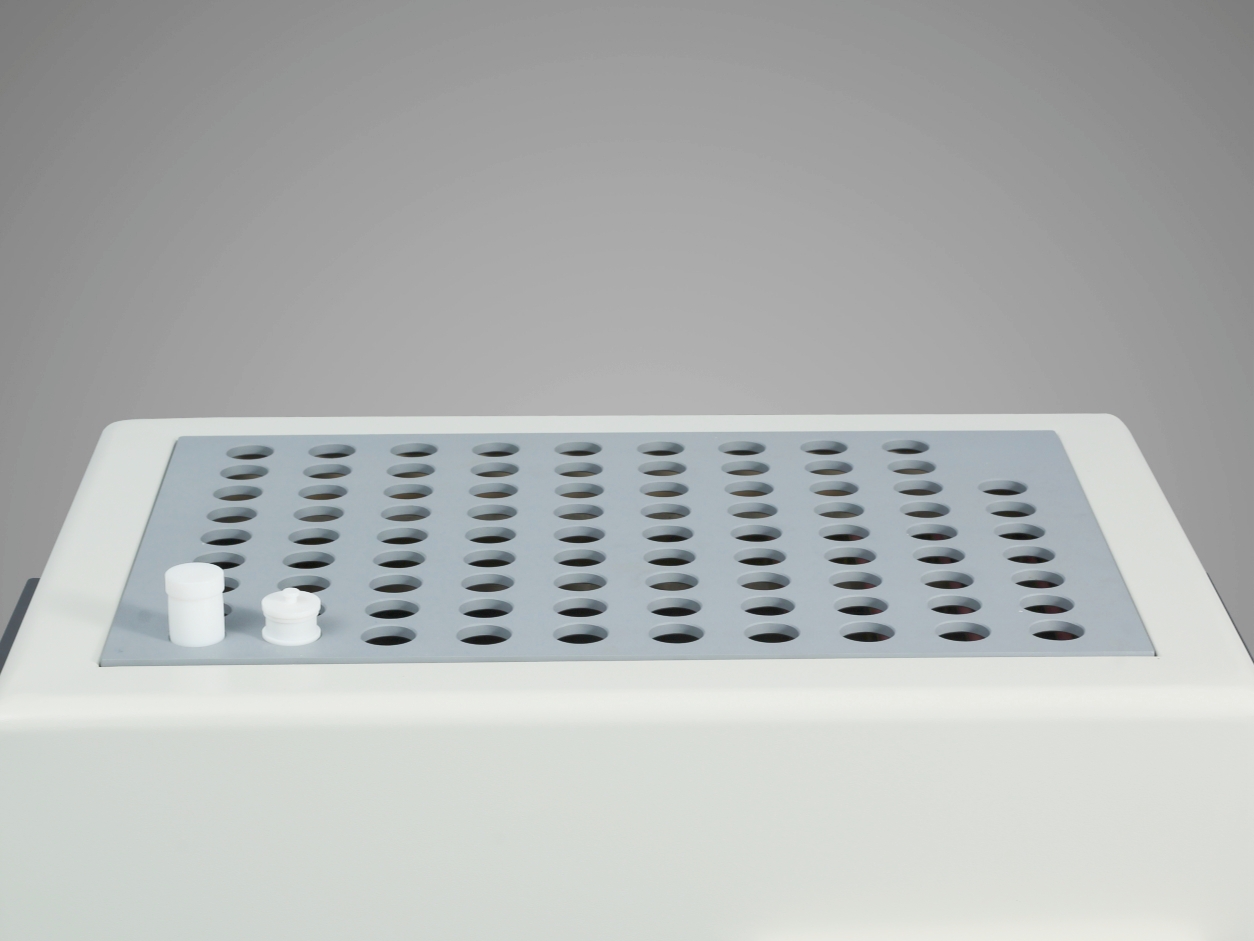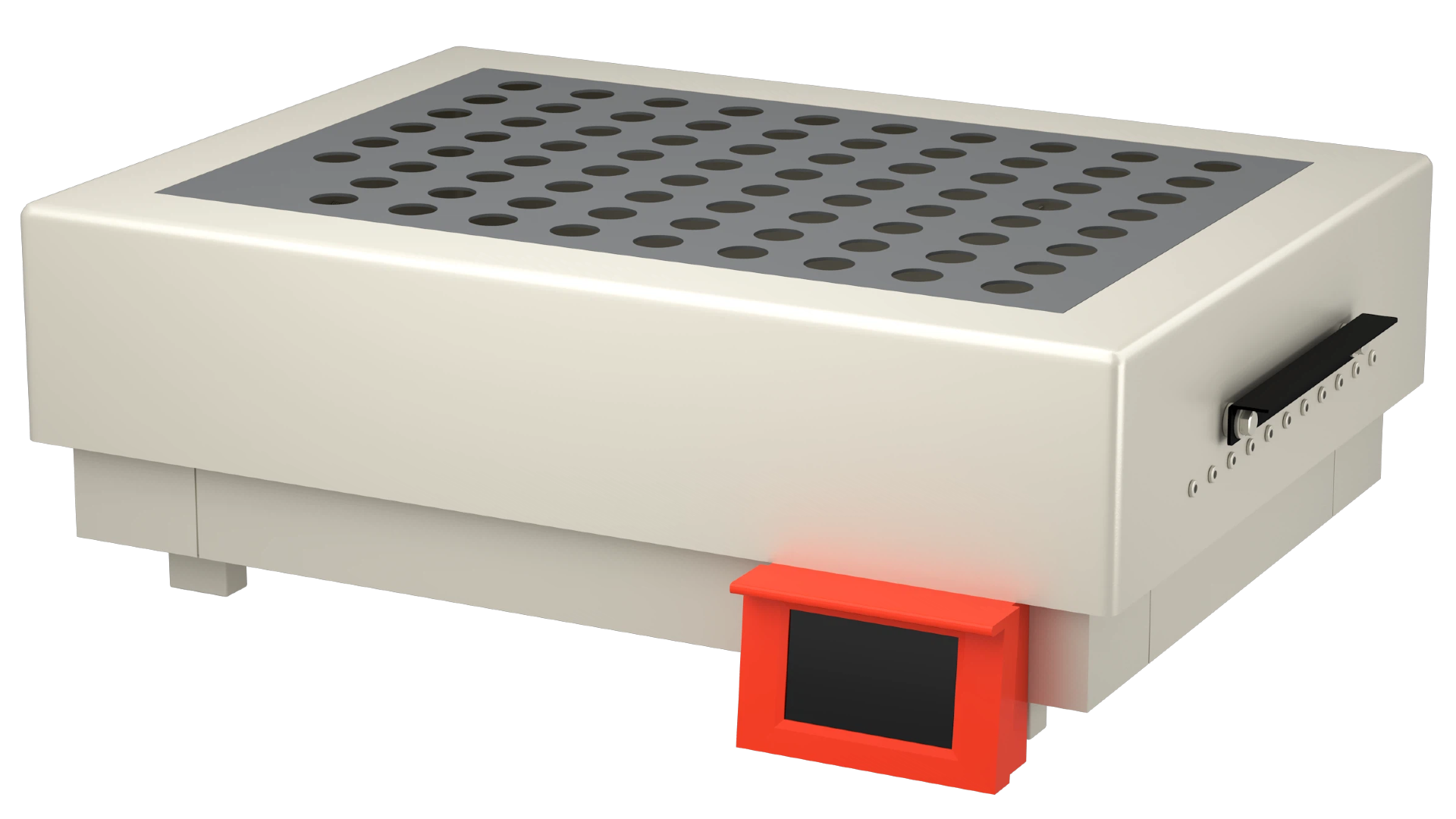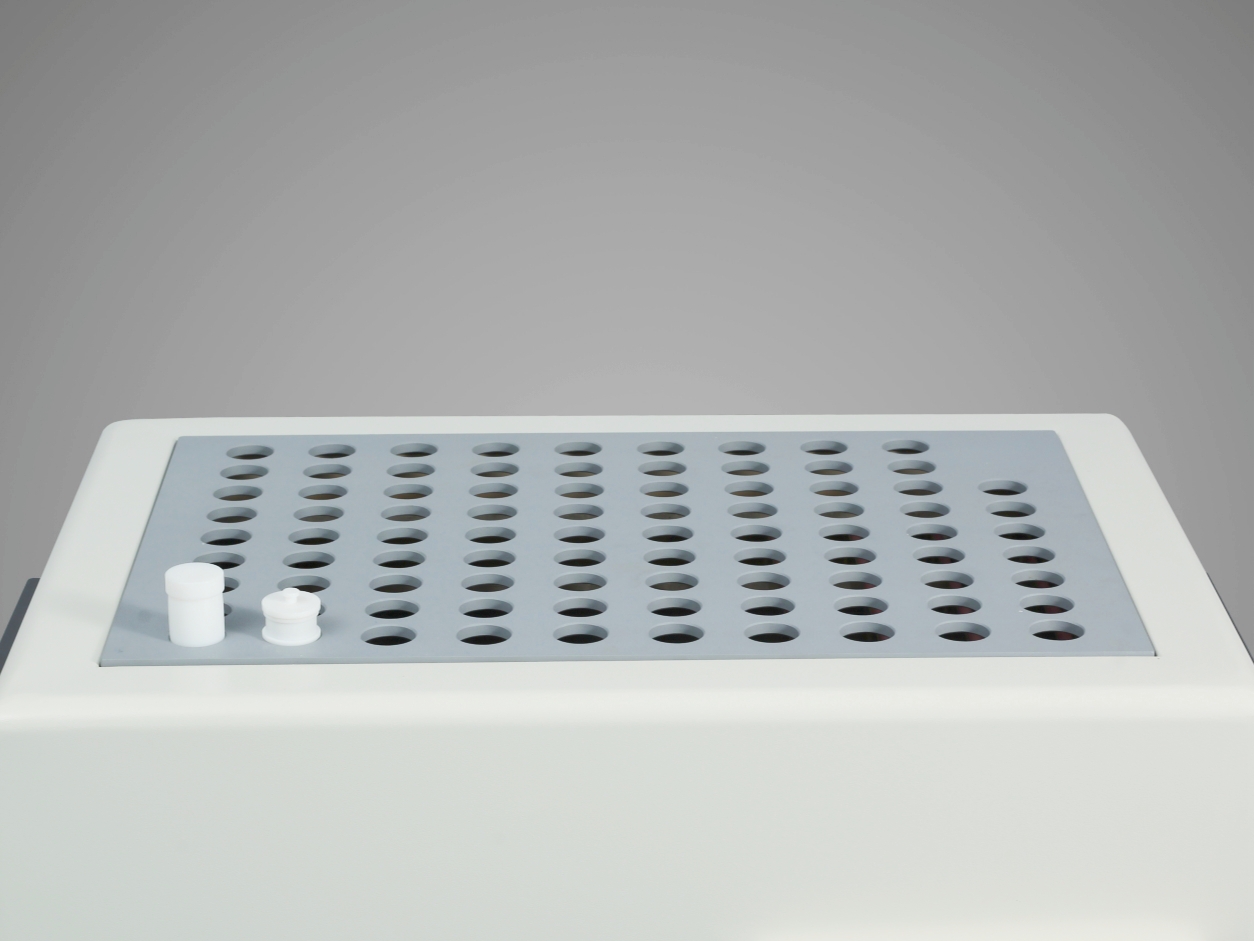
In acid digestion, the heating-block material should not be treated as a secondary specification. Although buyers often compare temperature range, sample capacity, tube size, and controller functions first, the block itself is repeatedly exposed to corrosive vapors, accidental acid splashes, elevated temperatures, thermal cycling, and frequent cleaning. These conditions make material choice directly relevant to heat transfer, corrosion resistance, surface durability, maintenance requirements, and long-term operating stability.
For demanding laboratory acid-digestion applications, silicon carbide (SiC) can provide a stronger overall material profile than conventional graphite or aluminum heating platforms. It combines high chemical resistance, good thermal conductivity, low thermal expansion, hardness, and high-temperature stability. Aluminum offers efficient heat transfer but normally requires effective surface protection in corrosive environments, while graphite provides useful thermal and chemical properties but may also be used with protective coatings. Final digestion performance, however, still depends on the complete system design, including heater layout, temperature sensing, control accuracy, block geometry, and vessel contact.
The practical question is therefore not simply whether silicon carbide is a more advanced material, but what its properties mean in day-to-day digestion work. For laboratories comparing equipment, the more useful issues are whether the heating surface can reduce dependence on protective coatings, maintain stable thermal behavior through repeated cycles, tolerate corrosive conditions, and support a longer, lower-maintenance service life. The following sections compare silicon carbide, graphite, and aluminum from these purchasing and application perspectives.
Why Does Heating Block Material Matter in Laboratory Acid Digestion?
During open-vessel digestion, the sample remains inside the digestion tube, but the surrounding heating surface is still exposed to a demanding laboratory environment. Acid splashes, condensed vapors, residue around tube openings, repeated heating and cooling, and cleaning procedures can all affect the block over time.
For this reason, buyers should evaluate the heating material from two perspectives. The first is thermal performance: how efficiently heat is transferred, how evenly it is distributed across multiple positions, and how stable the system remains during repeated cycles. The second is chemical and mechanical durability: how the material tolerates corrosive conditions, surface wear, thermal expansion, and long-term operation.
A material performing well in only one category may still require design compensation elsewhere. Aluminum, for example, transfers heat efficiently but generally needs effective protection when used around aggressive acids. Graphite offers useful thermal and chemical characteristics, yet commercial laboratory systems may still apply protective coatings to the working surface. Silicon carbide is notable because the material itself can provide a combination of thermal, chemical, and mechanical properties that is attractive in harsh environments.
Silicon Carbide vs. Graphite vs. Aluminum: What Are the Material Differences?
|
Procurement Factor |
Silicon Carbide (SiC) |
Graphite |
Aluminum |
|
Thermal behavior |
High thermal conductivity with low thermal expansion, depending on SiC grade and processing |
Good heat-transfer capability; performance depends on graphite grade and structure |
Excellent thermal conductivity and fast thermal response |
|
Corrosive environment |
SiC grades used for corrosion service can provide strong resistance to acids and oxidizing media |
Good resistance to many corrosive conditions; some systems use impregnation or surface protection |
Bare aluminum is vulnerable to many acidic conditions, so protective treatment is important |
|
Mechanical / surface durability |
High hardness and stiffness can support a durable working surface |
Relatively brittle compared with metals and susceptible to mechanical damage depending on grade/design |
Tough, lightweight and easy to machine, but surface protection can become the critical interface |
|
Dependence on protective coating |
Can reduce reliance on a polymer barrier when the SiC working surface itself provides corrosion resistance |
Commercial digestion blocks may use PTFE-coated graphite |
Commercial digestion blocks may use PTFE-coated aluminum |
|
Manufacturing implication |
Advanced ceramic processing and precision finishing can increase manufacturing complexity and cost |
Established machining route for laboratory blocks |
Highly machinable and comparatively economical to manufacture |
|
Best evaluated by |
Actual SiC grade, temperature uniformity, corrosion design and long-term stability |
Graphite grade, coating/impregnation, temperature uniformity and maintenance |
Alloy, protective coating, temperature uniformity and coating durability |
The three materials should not be compared on a single number. Their practical value depends on how thermal behavior, corrosion resistance, mechanical stability, surface protection, and manufacturing requirements interact in the finished equipment.
This comparison is intentionally application-focused. Silicon carbide is not automatically superior in every piece of laboratory equipment, just as graphite or aluminum is not automatically inadequate. The advantage appears when the material properties align with the operating problem being solved - particularly where corrosive exposure, repeated thermal cycling, and long service stability are central purchasing concerns.
Why Does Silicon Carbide Perform Differently in Corrosive and High-Temperature Conditions?
Silicon carbide is an engineering ceramic rather than a conventional metal or carbon block material. Depending on its formulation and processing route, SiC can combine high thermal conductivity with low thermal expansion, allowing heat to move efficiently while limiting dimensional change as temperature rises and falls. For digestion equipment operating through repeated heating cycles, that combination is relevant to long-term structural and thermal stability.
Its chemical behavior is equally important. Sintered silicon carbide is widely used in industrial corrosion-control equipment because suitable grades resist a broad range of acids, bases, solvents, and oxidizing media. Translating that material principle to laboratory heating equipment means the working surface can be selected for inherent chemical resistance, rather than relying entirely on a protective polymer layer placed over a less acid-resistant substrate.
Hardness and wear resistance also matter during daily laboratory use. Digestion tubes are inserted and removed repeatedly, residues are cleaned from the surface, and the equipment may operate for long periods in a fume-hood environment. A hard, chemically stable surface can therefore offer value beyond maximum temperature alone, particularly when the laboratory is trying to reduce surface degradation and maintenance interruptions.
The exact performance of a finished digestion block still depends on more than the raw material. SiC grade, purity, manufacturing method, heater layout, sensor position, block geometry, tube-to-surface contact, insulation, and temperature-control logic all affect the final system. Professional buyers should therefore ask for equipment-level performance data rather than assuming that a material name alone guarantees a specific temperature accuracy or service life.
Does Silicon Carbide Reduce Dependence on Protective Surface Coatings?
This is one of the most meaningful differences between material strategies. Some conventional digestion blocks use graphite or aluminum protected by PTFE coating, making the coating an important part of the corrosion-control system. When the coating remains intact and is used within its intended conditions, it can effectively separate the underlying block from splashes and corrosive residues.
The purchasing question is what happens after repeated use. Scratching, abrasion, local damage, chemical exposure at elevated temperature, or improper cleaning can make the condition of a protective layer increasingly important. Once the underlying material is exposed, the corrosion behavior of the substrate becomes more relevant to equipment life.
A silicon-carbide working surface changes that design logic because corrosion resistance can be provided by the structural surface material itself. This does not mean that every SiC design is maintenance-free, nor that coatings never have a role elsewhere in the equipment. It does mean that laboratories can evaluate whether the primary heating surface depends on an additional polymer barrier for chemical protection.
For procurement teams, useful questions include whether the working surface is solid SiC or another SiC construction, what acids and temperatures the manufacturer has validated, how the surface should be cleaned, whether any protective layer is applied, and how surface damage affects continued operation. These questions reveal more than a simple 'PTFE coated' or 'corrosion resistant' label.
When Is a Silicon Carbide Digestion Block Worth the Higher Initial Cost?
A higher-priced digestion block is not justified simply because it uses a more expensive material. The investment becomes relevant when the laboratory's operating conditions can benefit from that material over the equipment's working life.
Silicon carbide is most compelling where acid exposure is frequent, digestion cycles are repeated daily, temperature stability matters across multiple sample positions, surface degradation would interrupt routine work, or the laboratory wants to reduce dependence on sacrificial protective coatings. In these environments, purchase price should be considered together with maintenance frequency, surface condition over time, cleaning requirements, operational interruptions, and expected service stability.
Conversely, laboratories performing occasional, less demanding digestion work may place greater weight on initial acquisition cost and may find a conventional graphite- or aluminum-based design sufficient. The correct purchasing decision therefore depends on workload and risk: the more demanding and continuous the digestion environment, the more important the material platform becomes.
When comparing quotations, buyers should ask suppliers to explain not only the maximum temperature and number of positions, but also the heating-surface material, corrosion-protection strategy, temperature-uniformity data, compatible acids and vessels, maintenance requirements, and what parts of the heating structure are expected to age during routine use.
Digestion Block Material FAQs
Is silicon carbide always better than graphite for acid digestion?
No material should be judged in isolation. Suitable SiC grades combine strong corrosion resistance, thermal conductivity, low expansion, and hardness, making them attractive for demanding acid-digestion equipment. Graphite can also perform well in corrosive and high-temperature applications. The better choice depends on the specific grade, system design, coating strategy, operating chemistry, and required service conditions.
Why do some graphite or aluminum digestion blocks use PTFE coating?
PTFE provides a chemically resistant barrier between the working environment and the underlying heating material. This is particularly important for aluminum and can also be used on graphite surfaces in commercial digestion systems to improve protection against acid splashes and corrosive residues.
Does silicon carbide guarantee better temperature uniformity?
Not by itself. Material properties influence heat transfer and thermal stability, but uniformity also depends on heater distribution, sensor placement, block geometry, insulation, tube contact, and control logic. Buyers should request temperature-uniformity data for the complete instrument.
What should laboratories ask about the silicon carbide used in a digestion block?
Ask about the SiC construction or grade, validated chemical compatibility, recommended operating temperature, cleaning procedure, surface design, temperature uniformity, and whether any coating or secondary protective layer is used.
Why can a silicon carbide digestion block cost more?
Advanced ceramic materials can require more specialized raw-material preparation, forming, sintering, machining, and precision finishing than conventional metal blocks. The higher initial cost should be evaluated against the intended corrosion environment, maintenance expectations, thermal stability, and long-term operating requirements rather than material price alone.
Conclusion: Compare the Material Platform, Not Just the Specification Sheet
Graphite, aluminum, and silicon carbide can all be engineered into laboratory heating equipment, but they represent different material strategies. Aluminum offers efficient heat transfer and manufacturing flexibility; graphite provides useful thermal and corrosion characteristics; silicon carbide brings together chemical resistance, high thermal conductivity, low thermal expansion, hardness, and high-temperature stability in a single engineering-ceramic platform.
For laboratories performing frequent acid digestion, the practical advantage of SiC is not simply that it is a premium material. Its value lies in how the heating surface can be designed around inherent material resistance, reducing reliance on a protective coating as the primary defense against corrosive conditions while supporting stable thermal operation over repeated cycles.
Tuozhiming has taken this material route in its laboratory sample-preparation equipment, using a silicon carbide heating surface to differentiate its design from conventional PTFE-coated graphite or aluminum platforms. For laboratories prioritizing corrosion resistance, thermal stability, surface durability, and long-term operation, the Tuozhiming Digestion Block provides a relevant option to evaluate alongside application requirements, validated performance data, and total operating cost.