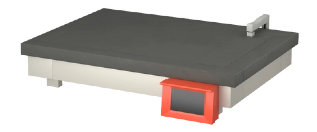
Digital Intelligent Hot Plate

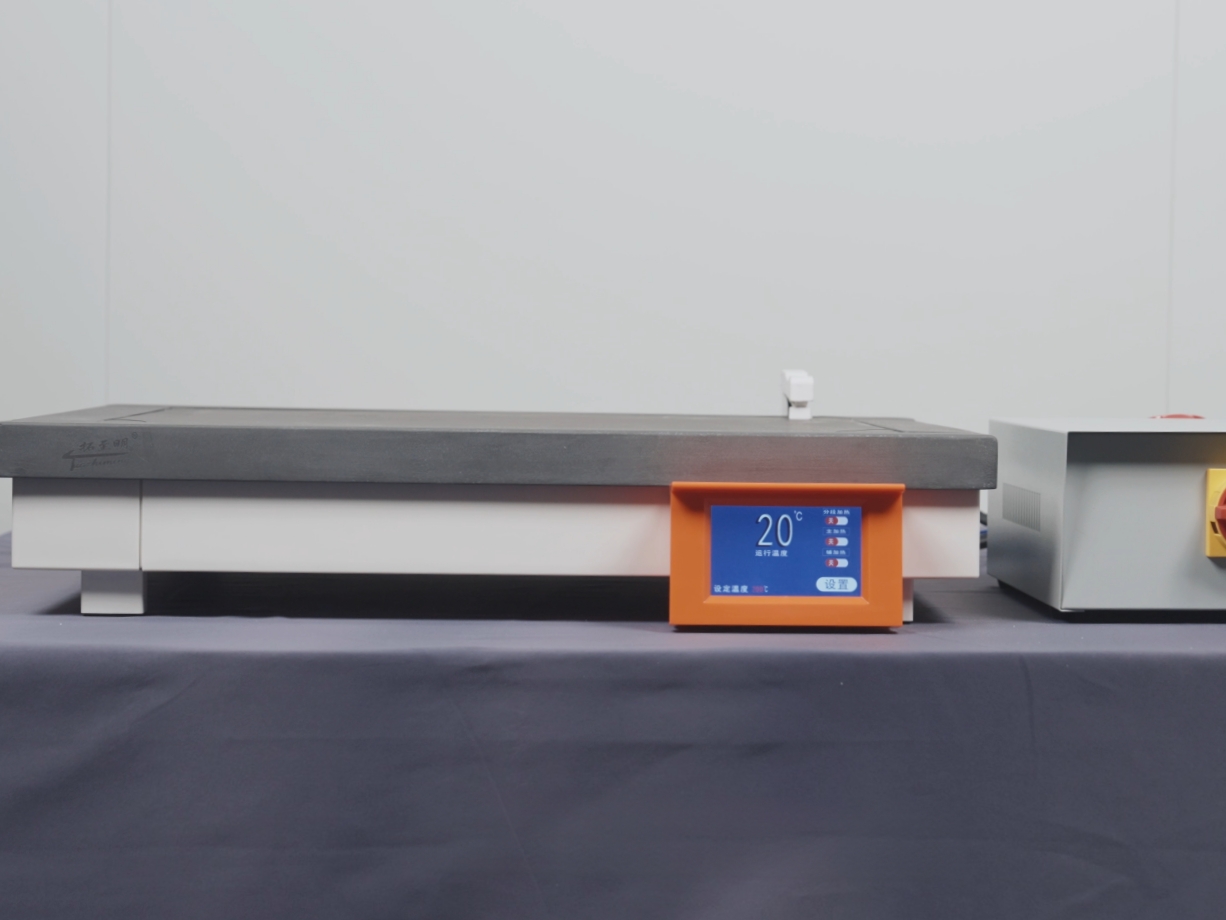
Excellent temperature uniformity, resistant to strong acids and alkalis. Tuozhiming's digital lab hot plate is designed for controlled heating, evaporation, acid digestion, and sample preparation in metallurgy, geology, environmental, chemical, agricultural, food testing, and third-party laboratories. The corrosion-resistant heating surface withstands common acids, alkalis, and corrosive gases, while uniform heat distribution supports consistent processing of multiple samples. Our digital electric hot plates feature touchscreen operation, PID temperature regulation, and the hot plate with digital display can show the actual working temperature of the heating surface.
Contact Us

Why Choose Digital Hot Plate for Lab?

Why Choose Digital Hot Plate for Lab

Stable Surface Heating for Repeatable Laboratory Sample Preparation

A digital hot plate provides more controlled heating than equipment that relies only on manual power adjustment. Our SD Series uses PID temperature regulation to automatically adjust heating output according to the selected temperature, helping maintain stable operating conditions during sample digestion, evaporation, drying, and solution heating. As a hot plate with digital display, the unit shows the actual working temperature of the plate surface rather than only the preset value. The large heating surface supports simultaneous processing of multiple vessels, while the main and auxiliary heating zones improve the use of available plate space. Uniform temperature on heating surface, temperature difference between any points shall not exceed 2 °C, making this digital electric hot plate suitable for laboratories that require repeatable batch heating.

Digital Lab Hot Plate Applications and Selection Factors

Digital Lab Hot Plate Applications and Selection Factors

A Flexible Heating Platform for Different Laboratory Workflows

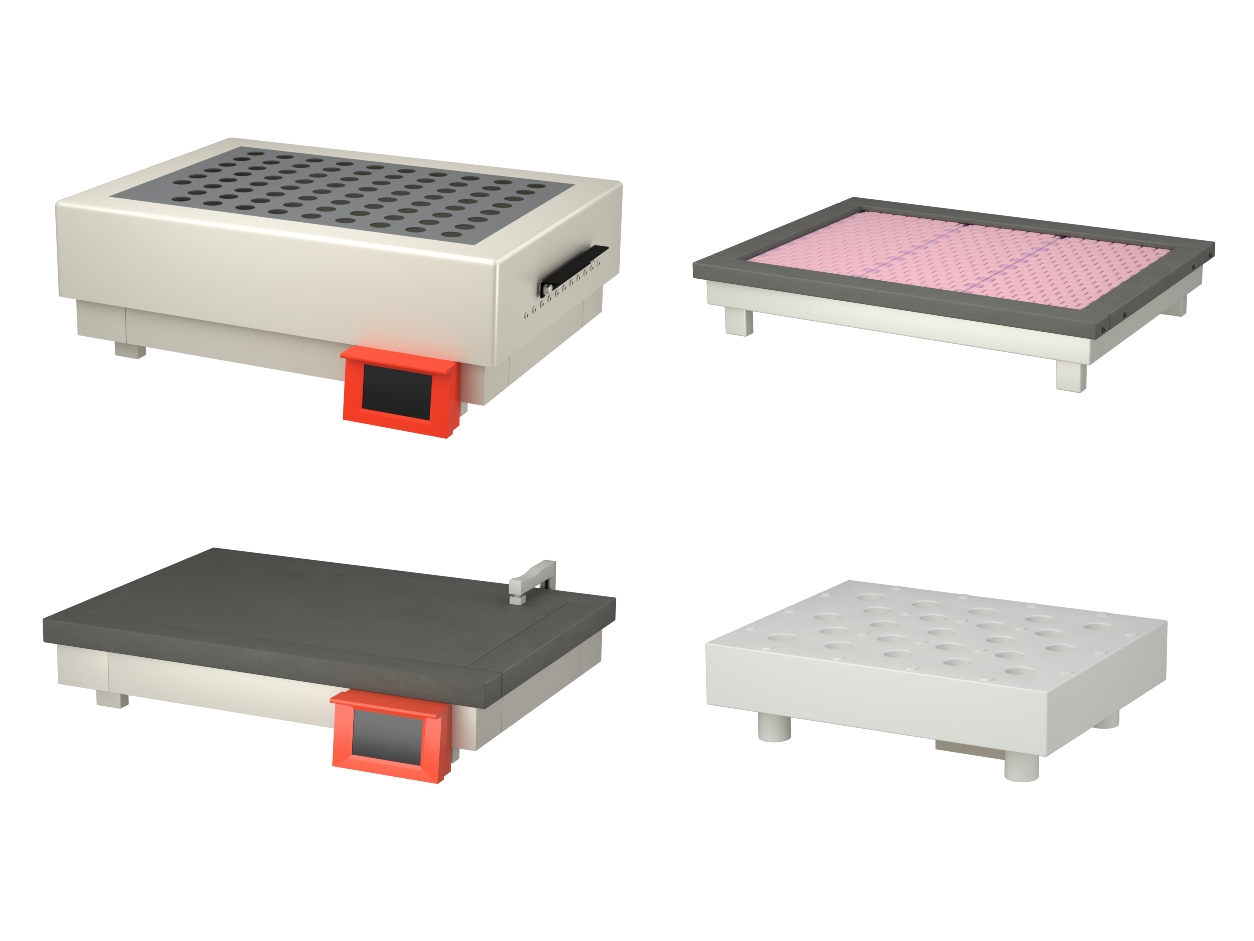
A digital lab hot plate can be used for acid digestion, solution evaporation, sample concentration, reagent preparation, drying, boiling, and other controlled-heating procedures. When selecting a digital hot plate for lab use, buyers should consider the required maximum temperature, heating-surface dimensions, number and size of vessels, temperature uniformity, control accuracy, corrosion exposure, ventilation conditions, and available electrical supply. For sample preparation involving acids or corrosive fumes, the heating surface and enclosure should be evaluated for chemical resistance. Our SD Series is designed to resist various strong acids, alkalis, and corrosive gases, while its multi-layer insulation and automatic alarm shutdown provide additional protection during operation. The selected model should match the actual batch size rather than maximum temperature alone. Laboratories processing batches of beakers should prioritize hot plates with excellent heating uniformity. It